
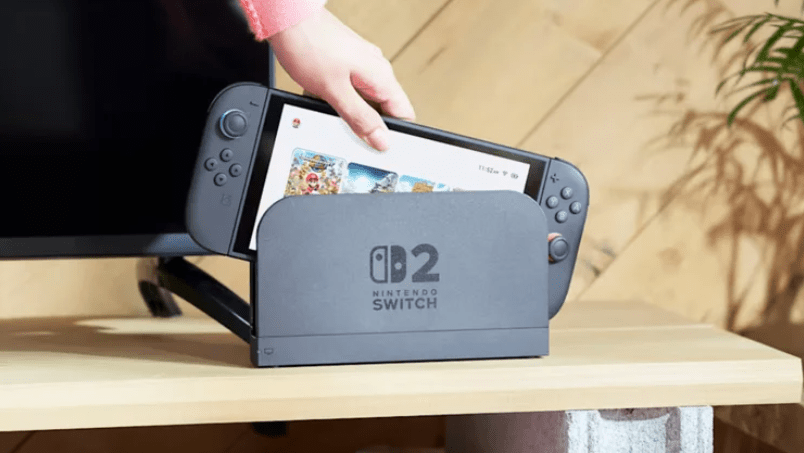
Nintendo’s next-gen console, the highly anticipated Switch 2, is shaping up to be more than just a modest upgrade. According to multiple sources and recent reports, the Switch 2’s performance may be comparable to the PlayStation 4 when it comes to third-party titles — a significant leap from the original Switch’s mobile chipset limitations.
Digital Foundry: PS4-Level Performance
The claims stem from a recent Digital Foundry discussion, where tech analysts broke down what they’ve heard and seen of Nintendo’s new hardware. Their verdict? The Switch 2 will deliver performance roughly equivalent to the PS4, particularly in third-party games. That means developers can bring larger, more graphically intensive titles to the handheld-console hybrid without the drastic compromises that plagued the original model.
This echoes earlier leaks from internal Activision emails revealed during Microsoft’s legal battle with the FTC. Activision reportedly compared the Switch 2’s capabilities to a PS4 and Xbox One — giving further credence to the idea that Nintendo is finally stepping up to modern standards in hardware power.
Switch 2 Targeting Big Third-Party Support
Nintendo seems poised to make a serious push for third-party relevance this time around. According to Los40 and other sources, major publishers like Square Enix, Capcom, Ubisoft, and EA have lined up support for the Switch 2. Titles rumored (or confirmed in some form) to appear on the system include:
- Final Fantasy VII Remake Intergrade
- Hades II
- Borderlands 4
- Cyberpunk 2077: Ultimate Edition
While it’s still unclear if these games will run natively or use upscaling tech like DLSS (which the Switch 2 is rumored to support), insiders say performance has been “impressively smooth” in early testing.
Still a Portable, But With Power
The Switch 2 reportedly retains the hybrid design that made the original console so successful, but now features upgraded silicon that could rival some of the previous console generation’s best efforts. There’s also chatter of improved resolution and frame rates in handheld mode, which was a known limitation in the current Switch model.
If true, this would position the Switch 2 as a legitimate contender not just in the Nintendo ecosystem, but in the broader market where multiplatform parity has become essential.
The original Nintendo Switch was a smash hit thanks to its portability, exclusives, and unique hybrid design — not its raw power. But if Nintendo can maintain that identity while catching up to the likes of the PS4 in terms of performance, the Switch 2 could offer the best of both worlds.
With a launch reportedly set for late 2024 or early 2025, more details are expected to surface soon. But one thing’s becoming clear: Nintendo isn’t playing catch-up this time — they’re aiming to compete.


 1-Up Games