
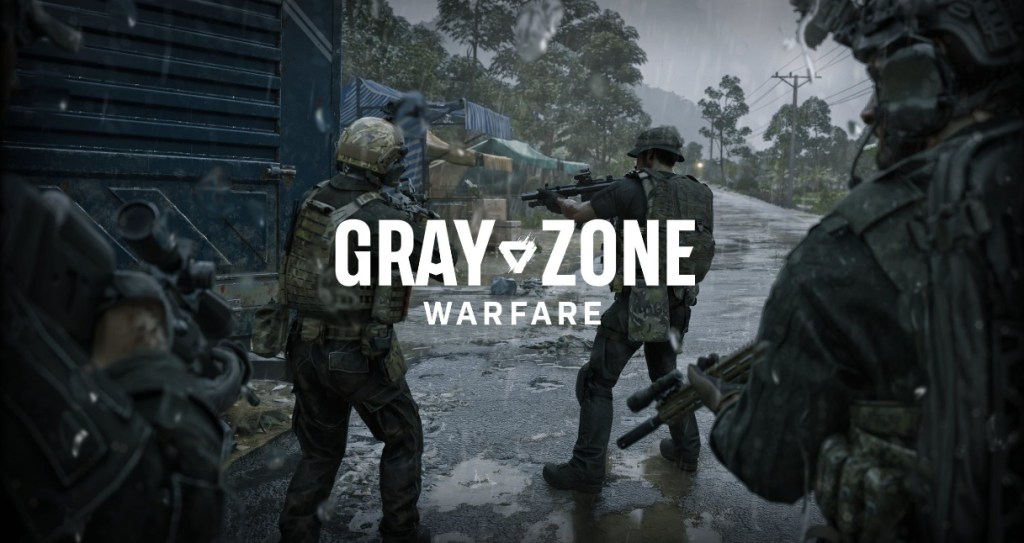
In the ever-evolving landscape of tactical shooters, Gray Zone Warfare has begun to carve out a very different identity for itself—one that breaks free from the “extraction shooter” label many initially slapped on it. Despite early comparisons to Escape from Tarkov and The Cycle: Frontier, the team behind Gray Zone Warfare has made one thing clear: this isn’t just another extraction shooter. It never was.
And now, they’re making moves to reflect that.
A Genre Misunderstood
At launch, it was easy to see why players drew comparisons to other high-stakes, gear-loss-focused games. Drop into a hostile zone, engage in PvEvP firefights, loot, survive, extract—Gray Zone Warfare ticked all the boxes on paper. But as the game evolved (and as more players got their hands on it), the differences began to stand out.
Developed by Madfinger Games, Gray Zone Warfare is not designed around traditional instanced matches. There’s no round timer, no hard extraction requirement, and no “in and out” gameplay loop that defines most extraction shooters. Instead, the game is structured as a persistent, open-world tactical sandbox—one where factions matter, missions are non-linear, and survival goes far beyond just getting to a helicopter in time.
A Shift in Vision — Or a Clarification?
Speaking in recent dev updates, Madfinger Games addressed the elephant in the room:
“We understand the comparison to extraction shooters, but that’s not the experience we’re building. Gray Zone Warfare is a tactical military simulation in an open, persistent world.”
This wasn’t a pivot as much as it was a clarification. The devs say they never intended to chase the Tarkov formula directly. Instead, they’re building something that leans more into immersive sim territory, complete with layered AI behavior, faction-based progression, and roleplay-friendly systems.
The Mechanics That Set It Apart
While Gray Zone Warfare retains a few similarities to extraction-based titles—mainly the risk of losing gear upon death—its core systems tell a different story.
1. Persistent World, No Matches
Players enter the island of Lamang as part of one of three PMC factions. Once you’re in, you’re in. There are no discrete matches or sessions. The world persists, with other players and AI acting on their own terms, independent of any round timer.
2. Optional Extractions
Yes, you can call for an exfil helicopter. But unlike Tarkov, extracting isn’t required to “secure” loot or progress. If you die, you’ll lose what you brought unless it’s insured—but surviving isn’t about rushing to an exit. It’s about completing objectives and staying alive in the long term.
3. Mission-Driven Structure
The game emphasizes PvE missions, faction progression, and questing. Players can take on contracts, clear compounds, rescue hostages, and explore a massive Southeast Asian-inspired environment, all while encountering other PMCs trying to do the same—or stop you.
4. Tactical Realism
Gunplay and medical systems are deep and methodical. Players must treat wounds individually, manage gear with care, and maintain awareness of surroundings constantly. It’s not fast-paced looting; it’s careful, deliberate survival.
Why This Matters
The label of “extraction shooter” is limiting—and Gray Zone Warfare has proven it’s capable of more than that. By removing the artificial constraints of round-based extraction, the game lets tension build naturally. Every corner you clear, every shot you fire, and every mission you accept contributes to a wider story: one shaped by your faction, your choices, and the other players trying to do the same.
Madfinger Games’ decision to shed the extraction shooter label isn’t just about semantics—it’s a smart move to distance the game from overused comparisons and highlight what makes Gray Zone Warfare actually unique.
What’s Next?
The roadmap for Gray Zone Warfare is already promising. The dev team is focused on:
- Expanding AI behavior and enemy factions
- Adding deep customization and base systems
- Building out full story arcs for each PMC
- Enhancing roleplay elements and cooperative mechanics
- Balancing PvPvE across the massive, living world
And most critically, they’re listening to the community. Many of the recent changes stem from player feedback: fewer session-based constraints, more focus on missions and narrative, and reduced emphasis on just looting and escaping.
Final Thoughts
The term “extraction shooter” might have been a useful shorthand at launch, but Gray Zone Warfare has outgrown it. What we’re seeing now is something far more ambitious: a persistent, immersive tactical shooter that doesn’t ask you to extract—it asks you to survive, immerse, and adapt.
And for those tired of the extraction shooter mold? This could be the genre-defining shake-up you’ve been waiting for.



 1-Up Games