
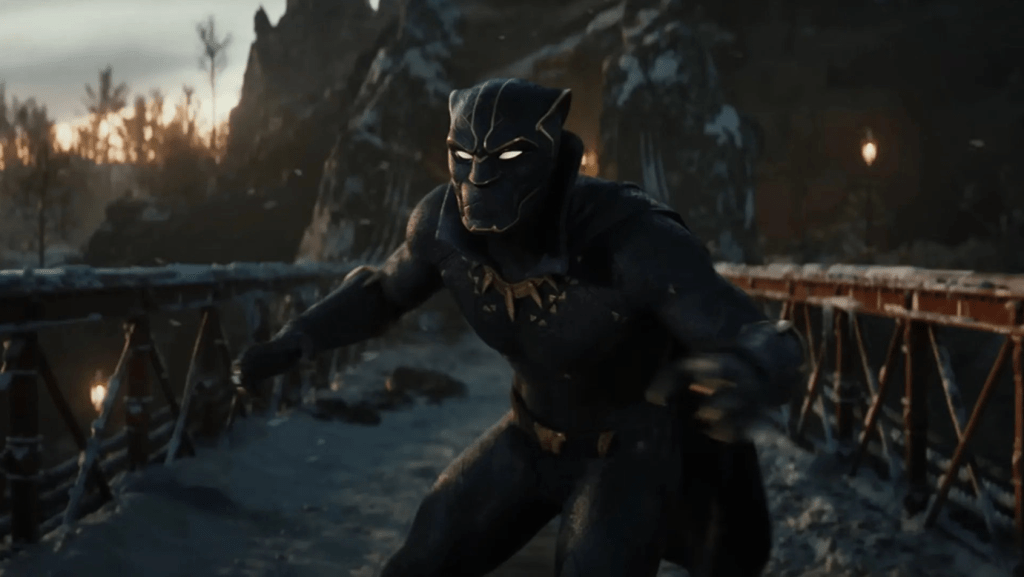
In an era dominated by superhero games like Marvel’s Spider-Man and Batman: Arkham Knight, the potential for a Black Panther game to break new ground was immense. For years, fans speculated on what a Wakanda-centric title might look like. Recently, fresh details have surfaced about Cliffhanger Games now cancelled Black Panther game that, if completed, might have delivered one of the most ambitious superhero experiences yet.
Four Years in the Shadows
According to a report via @Business, this now cancelled title was in pre-production for four years. That’s a lengthy gestation period for a project that never officially entered full development. In that time, the team worked on world-building, systems design, and narrative framing laying the groundwork for a truly next-gen Marvel experience.
Yet despite the effort, the game was ultimately scrapped. And now, thanks to new information, we have a clearer picture of what gamers missed out on.
Inspired by the Nemesis System
One of the most fascinating aspects of the cancelled Black Panther game was its attempt to create a gameplay system inspired by the Nemesis system the AI-driven mechanic from Middle-earth: Shadow of Mordor and Shadow of War.
In those games, enemy captains remembered the player, developed grudges, and rose through ranks dynamically. Bringing that level of systemic storytelling to a Marvel game especially one set in Wakanda could have created a living, breathing world where rivalries, betrayal, and politics felt personal.
Implementing such a system is notoriously complex. Warner Bros. even patented the original version, making replication difficult. The fact that this Black Panther game was attempting to build something similar from scratch shows how ambitious the developers were.
T’Challa, Shuri, and Killmonger: A Battle for the Throne
Unlike most superhero games that lock players into a single role, this title would have allowed players to choose between three iconic characters:
- T’Challa, the noble and tactical heir.
- Shuri, the genius inventor and progressive visionary.
- Killmonger, the radical challenger with his own code of honor.
Each of these characters would have been vying for the mantle of the Black Panther, implying divergent story paths, moral dilemmas, and potentially different endings based on who the player aligned with.
This setup offered a fresh spin on the superhero genre one focused not just on combat, but on political and cultural identity, legacy, and leadership.
The Skrull Invasion of Wakanda
Another surprising reveal: the Skrulls shape-shifting aliens well known to Marvel fans were set to be the game’s primary antagonists.
Positioning Skrulls in Wakanda opens up a world of narrative possibilities. Shape-shifting enemies would have made trust a central mechanic. Allies could be imposters. Betrayals could feel sudden and deeply personal. In a kingdom as secretive and fortified as Wakanda, the idea of a hidden enemy within is especially compelling.
Plus, incorporating Skrulls would’ve added espionage and sci-fi horror tones to a game already steeped in Afro-futurism and royal conflict.
So… Why Was It Canceled?
Despite all these exciting ideas, the game never made it out of pre-production. Reports indicate that its slow development pace spending years in planning with no full production pipeline may have been a key factor.
In game development, time is money. A four-year pre-pro cycle with no playable vertical slice or internal confidence can kill even the most promising titles. Ambitious tech (like a new Nemesis-like system), uncertain scope, and possibly shifting internal priorities at Marvel or its partnering studios likely sealed its fate.
What We Lost
This canceled Black Panther project could’ve been a landmark title — one that merged superhero spectacle with complex political storytelling and emergent gameplay systems. The combination of multiple protagonists, a Nemesis-inspired AI system, Skrull paranoia, and Wakandan power struggles made for a potentially revolutionary blend of gameplay and narrative.
Now, all that remains are fragments of what could have been — a reminder of how even the most exciting projects can vanish before seeing the light of day.
The Future of Black Panther in Games
Not all is lost however with Marvel 1943: Rise of Hydra sill on the horizon black panther fans will hopefully not have to wait to long to don the claws again in a game. Set in 1943, at the height of World War II, Marvel 1943: Rise of Hydra tells a gripping original story that brings together unlikely allies in a global fight against tyranny and evil. As the Nazi regime tightens its grip on Europe, a secret faction within it HYDRA has begun advancing a new kind of war, powered by occult science, fanatical ideology, and a lust for domination that transcends even Hitler’s vision.
Players will experience the story from multiple perspectives across four playable characters:
- Steve Rogers / Captain America – The newly minted super-soldier learning the burden of leadership and the true weight of heroism.
- Azzuri / The Black Panther of the 1940s – King of Wakanda and protector of his people, drawn into the war to defend his nation from foreign invaders and ancient threats.
- Gabriel Jones – A member of the Howling Commandos, grounded in grit and realism, serving as the lens through which players experience the brutality and chaos of the battlefield.
- Nanali – A Wakandan spy deep undercover in occupied Paris, using stealth and subterfuge to strike from the shadows.
These four heroes must overcome their differences, cultural divides, and personal traumas to combat HYDRA’s rise, which threatens not just the outcome of the war but the future of humanity itself.
In an industry filled with what ifs, this cancelled Black Panther game might go down as one of the most compelling lost opportunities in superhero gaming. But its concepts player-driven power struggles, dynamic rivalries, and Skrull infiltration are too good to disappear forever. Here’s hoping we see echoes of this vision in future titles.
 1-Up Games