
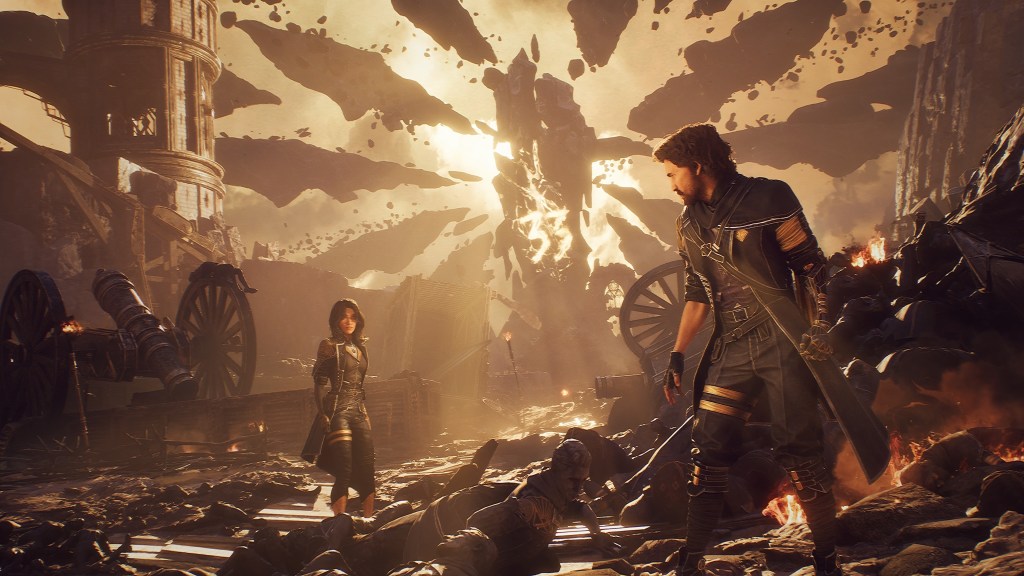
Clair Obscur: Expedition 33 has officially been stripped of its Game of the Year award by the Indie Game Awards, following a late confirmation that generative AI tools were used during development.
The decision comes after representatives from Sandfall Interactive initially stated, as part of the nomination process, that no generative AI was used in the creation of the game. However, on the day of the Indie Game Awards 2025 premiere, the studio reportedly acknowledged that gen AI had in fact been utilized, prompting the awards body to act.
In a statement explaining the ruling, the Indie Game Awards said:
“For consideration, representatives of Sandfall Interactive agreed that no gen AI was used in the development of Clair Obscur: Expedition 33.
In light of Sandfall Interactive confirming the use of gen AI on the day of the Indie Game Awards 2025 premiere, this does disqualify Clair Obscur: Expedition 33 from its nomination.”
The announcement immediately reignited debate around AI usage in game development, particularly within indie spaces where transparency and creative authorship are often treated as foundational values. While the Indie Game Awards have not clarified how generative AI was used whether in concept art, writing assistance, prototyping, or other pipelines the confirmation alone was enough to violate the event’s eligibility rules.
-
1-UP GAMES
RECENT NEWS
Our Gaming Hot Takes | Gamescast
The ruling lands during what has otherwise been a landmark year for Clair Obscur: Expedition 33. The title swept multiple major categories at The Game Awards 2025, including Game of the Year, and has been widely praised for its narrative ambition, painterly art direction, and combat design achievements made even more notable after it was revealed the game was developed on a budget of under $10 million.
As of writing, Sandfall Interactive has not issued a public response addressing the disqualification beyond the reported confirmation. It remains unclear whether the studio intends to contest the decision or clarify the scope of AI involvement.
What is clear, however, is that this incident may set a precedent. With AI tools becoming increasingly common across all tiers of game development, awards bodies are now being forced to draw firmer lines and studios may soon find that disclosure matters just as much as execution.


 1-Up Games